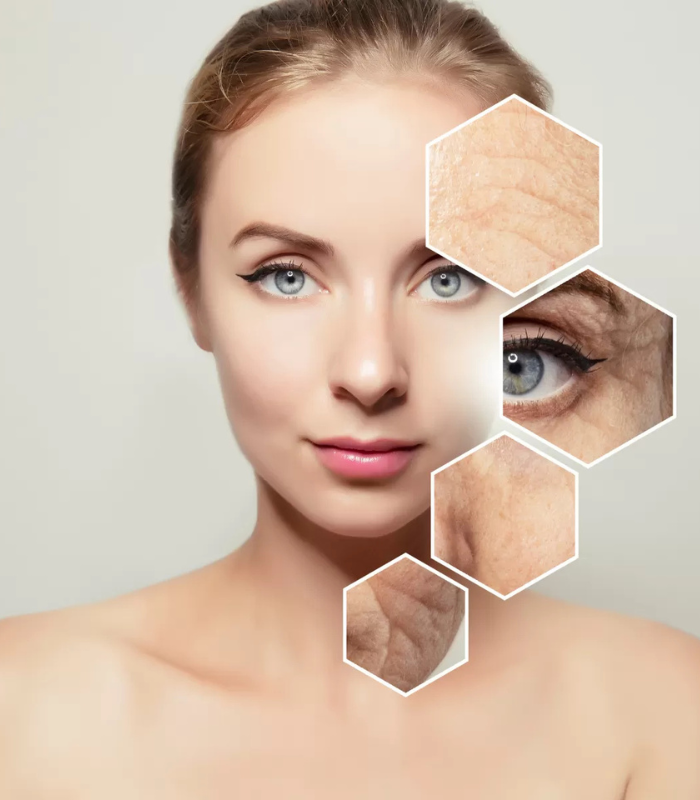
Cheek and Mid-face Dermal Fillers Explained
As we age, the mid-face loses volume and support. This can deepen nose to mouth lines, mouth corners and create a tired appearance even when you feel well rested. Mid-face dermal fillers are designed to restore shape and support with a natural, refreshed result.
Dermal fillers are gel-like substances placed under the skin to replace lost volume, soften lines and enhance facial contours. Most modern fillers used in the face are based on hyaluronic acid, a substance that occurs naturally in the body.
What cheek fillers can help with
Mid-face fillers can be used to:
- Restore gentle fullness that has reduced with age
- Improve mid-face support to reduce the shadowing that makes lines look deeper
- Balance facial proportions from the front and in profile
They are not a replacement for surgery in every case, but for many people they offer a non-surgical way to refresh the mid-face.
What happens at a cheek filler consultation
A good consultation should always come before any treatment:
- Medical history and medicines reviewed
- Face assessed at rest and in movement, from several angles
- Discussion of your goals, preferences and what is realistically achievable
- Explanation of product choice, technique, likely longevity, cost and aftercare
- Time to ask questions and think things over
The NHS and professional bodies emphasise the importance of choosing a properly qualified, insured practitioner working to recognised standards.
How cheek fillers are performed
Techniques vary by practitioner and individual need, but typically include:
- Skin cleansing and marking of treatment areas
- Use of fine needles or a soft cannula to place small amounts of filler at carefully selected points
- Gentle moulding to shape and blend
- Immediate review of balance and symmetry, with photos for your record
Most people describe a feeling of pressure or stinging rather than sharp pain, especially if a topical anaesthetic cream or lidocaine containing filler is used.
Results, longevity and follow up
Cheekfiller results are visible straight away, with final settling over several days as any swelling reduces- Many hyaluronic acid cheek fillers last around
9 to 186-9 months, depending on product, area treated and individual factors such as metabolism and facial movement - A review appointment allows your practitioner to check healing, answer questions and plan future maintenance if appropriate
Safety, risks and how to reduce them
All injectable treatments carry risk. Common short term effects include swelling, redness, tenderness and bruising that usually resolve within days. Less common but more serious complications can occur if filler enters or compresses a blood vessel, which is why choice of practitioner, technique and emergency planning are so important.
Professional organisations and UK regulators highlight:
- Choosing a regulated healthcare professional with specific training in injectable aesthetics
- Having a detailed consent discussion that covers risks, benefits, alternatives and what to do if something does not feel right
- Ensuring your practitioner has access to appropriate emergency medicines and a clear complications protocol
If you experience severe pain, blanching of the skin, visual changes or unusual symptoms after fillers, you should seek urgent medical assessment.
Local note
At Hemel Cosmetic, mid-face filler treatments are tailored to the individual rather than a one look fits all approach. We see clients from Hemel Hempstead, St Albans, Watford, Harpenden, Berkhamsted, Tring, Kings Langley and Apsley who are looking for natural, balanced results.
Thinking about mid-face filler? Book a consultation to discuss whether it is suitable for you.
Sources
- British College of Aesthetic Medicine (BCAM). Dermal fillers, how they work and typical applications.
- ACE Group. Hyaluronic acid dermal filler patient information leaflet, including procedure, side effects and aftercare.
- NHS. Choosing who will do your cosmetic procedure.
- JCCP / CPSA Code of Practice for practitioners who provide cosmetic interventions (2023).
- BAD / BAAPS / BAPRAS statements on dermal filler safety and calls for improved regulation.
- Recent clinical and public information on dermal filler risks and vascular occlusion.
Important information for UK readers
We do not advertise prescription-only medicines to the public. References to anti-wrinkle injections are provided as general information only. Any prescription treatment is considered only after an in-person consultation with a qualified prescriber, who will assess suitability, discuss risks, benefits and alternatives, and decide whether a prescription is appropriate. Content on this page is not a substitute for medical advice. It does not include product pricing or inducements. It follows CAP Code rule 12.12 and MHRA guidance on advertising prescription-only medicines. asa.org.uk+1